The Rohingya Sunrise
We are not running a charity. We are building a city. One million people will move from aid dependency to running their own water, power, schools, and factories
What the Numbers Look Like
Over 36 Months
20 Families Each
Closed-Loop Systems
Within 2 Years
Than Traditional Aid
Three Things We Plan to Do
1. Secure Basic Needs
No one can learn or work if they are sick or hungry. We fix the basics first, but we do it with permanent hardware, not handouts.
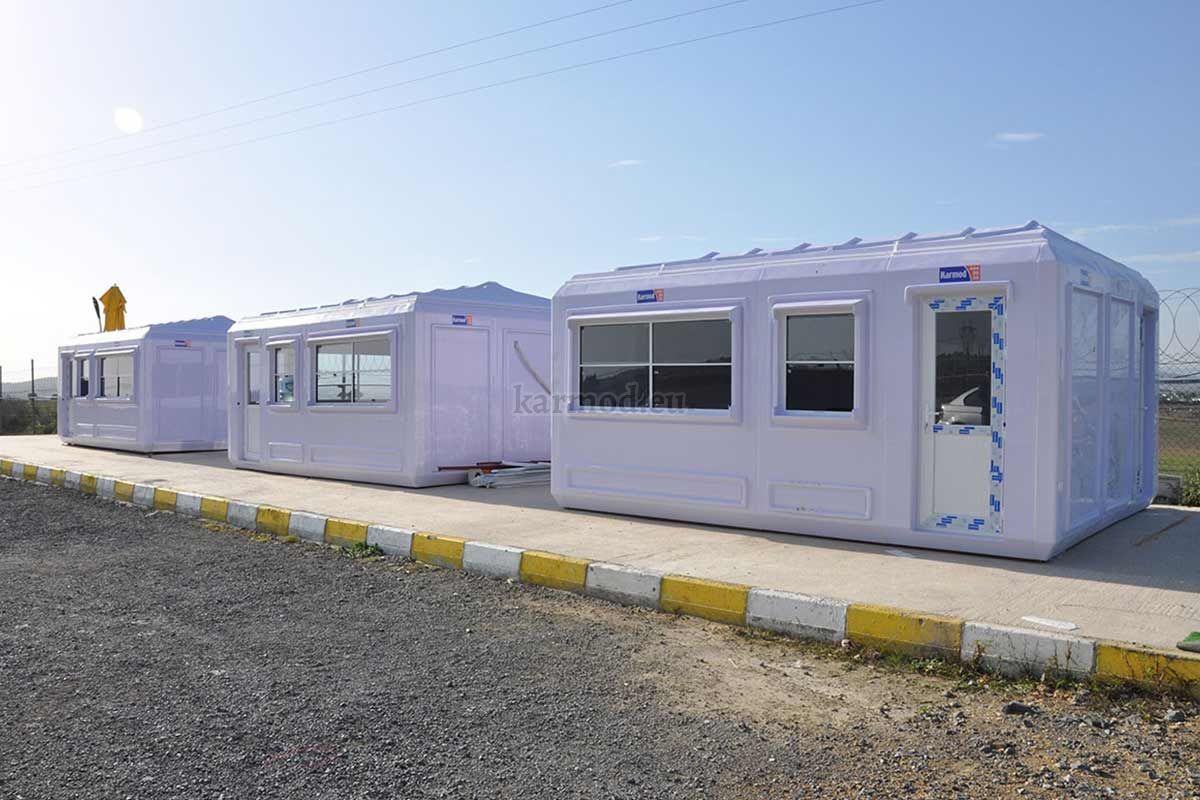
- Steel-frame Flex-Unit housing set up in four hours
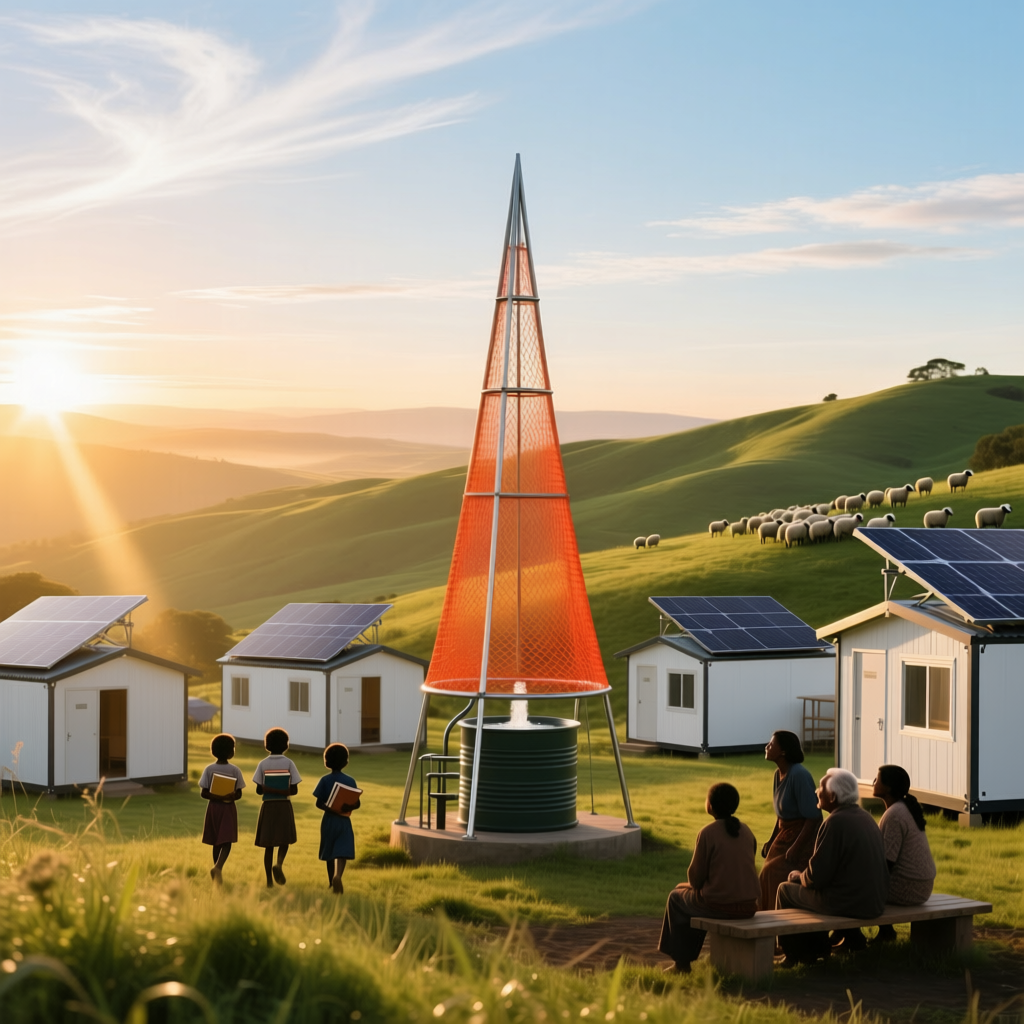
- 1,000 atmospheric water stations (Warka towers) pulling drinking water from air
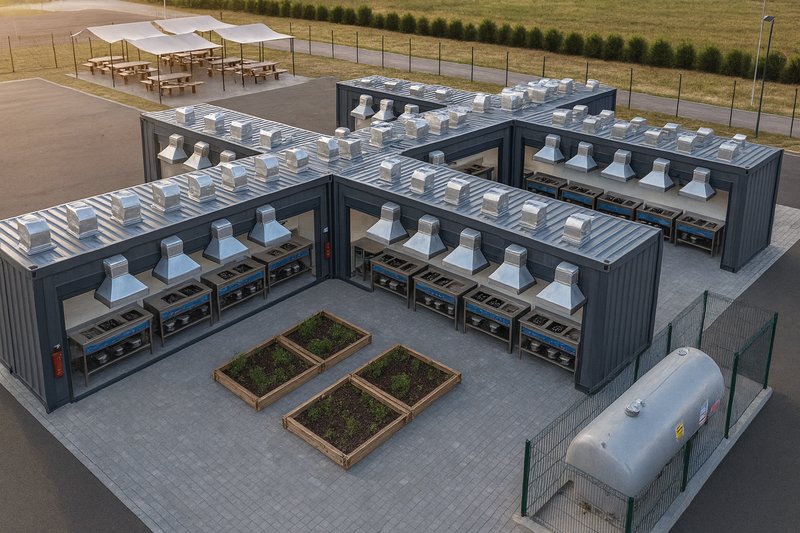
- Container kitchens with 20 cooking stations each, built to French safety standards
- Emergency food supply through Mercy Without Limits until the farms are running
2. Real Education
We do not hand out tablets and hope. We train local teachers, run vocational schools, and certify people in trades that matter.
- YASMINE Academy trains residents to become teachers and nurses
- 30 skill centers for welding, carpentry, programming, and machine repair
- Green Tech certification: solar maintenance, water-system repair, biochar production
- Computer science labs connected to the industrial grid
3. Industry & Intellectual Work
The end goal is a community that exports value, not one that consumes aid. We build the factories and the knowledge base.
- Biochar pyrolyzers turn waste into carbon-negative soil additive and sellable fuel
- Agricultural cooperatives with drip irrigation and high-yield crops
- Micro-enterprises linked to regional markets
- Knowledge City hub for tech services and remote intellectual work
The Industrial Engine: Green Energy
This is the profit center. Water, fuel, and power are not costs here. They are products. The community sells the surplus and funds its own schools.
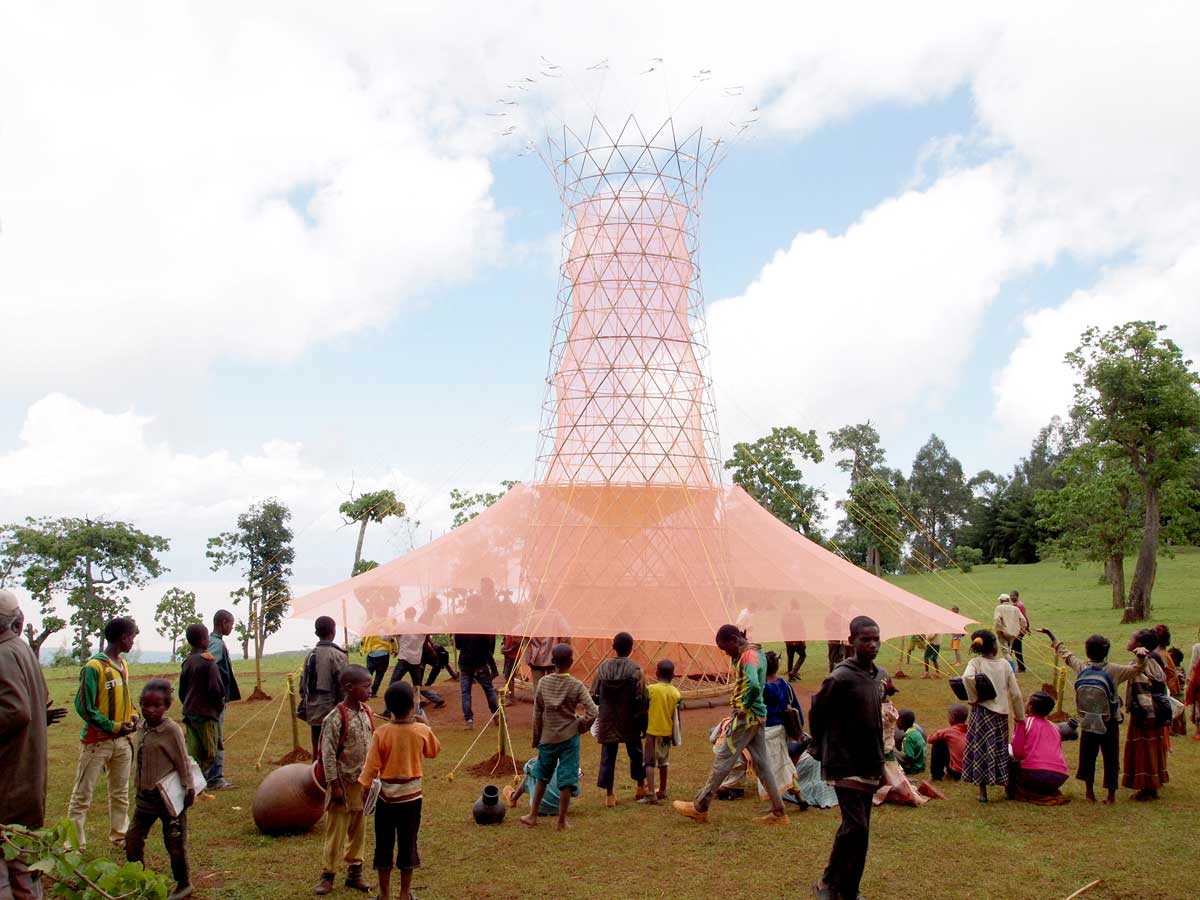
Atmospheric Water Generation
Warka towers passively harvest potable water from the air. No pumps, no fuel, no pipelines. Each tower feeds a reservoir and drip-irrigation grid for newly planted trees and crops.
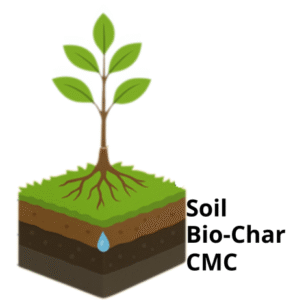
Biochar & Soil Regeneration
Industrial pyrolyzers convert organic waste into biochar. This restores dead soil, creates high-yield farmland, and produces a carbon-negative product for sale.
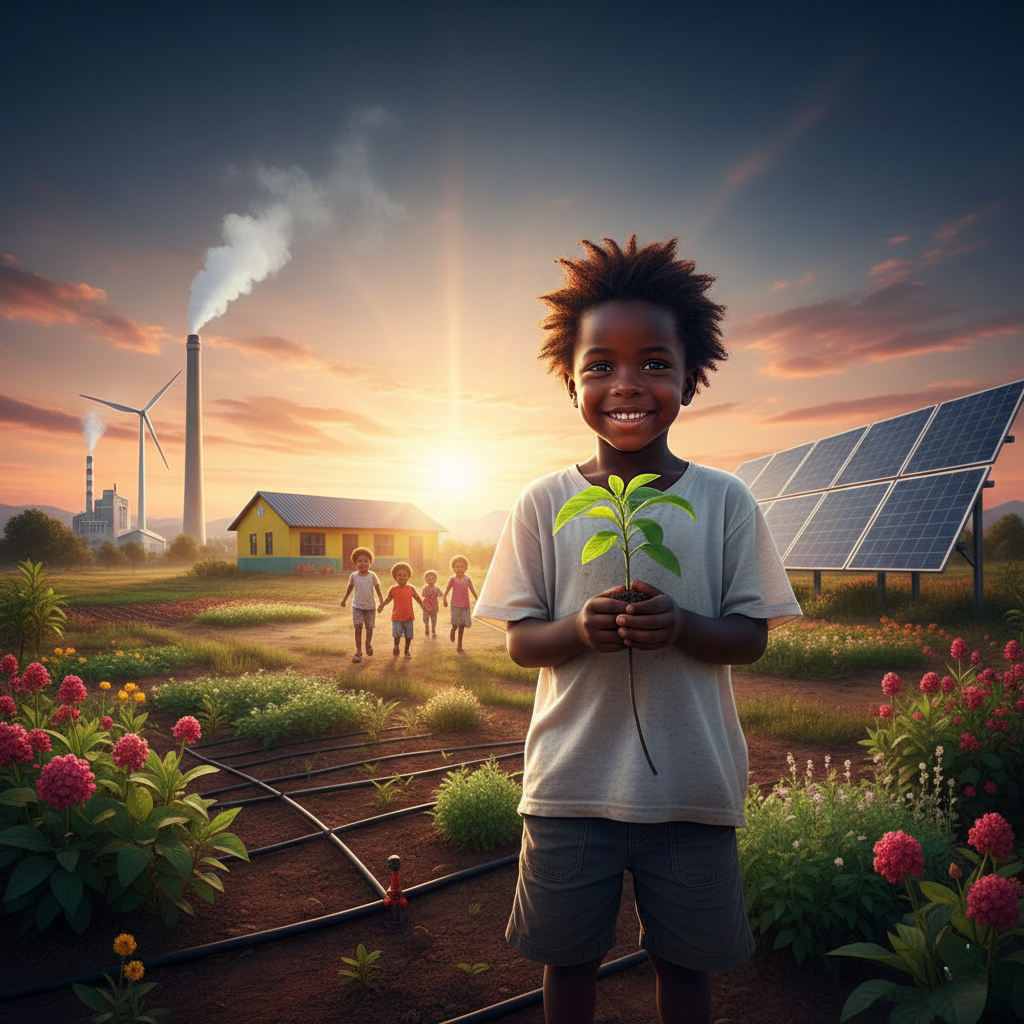
Waste-to-Fuel
Organic waste becomes clean biofuel. It powers local machinery first. Whatever is left over is sold to generate revenue for the community treasury.
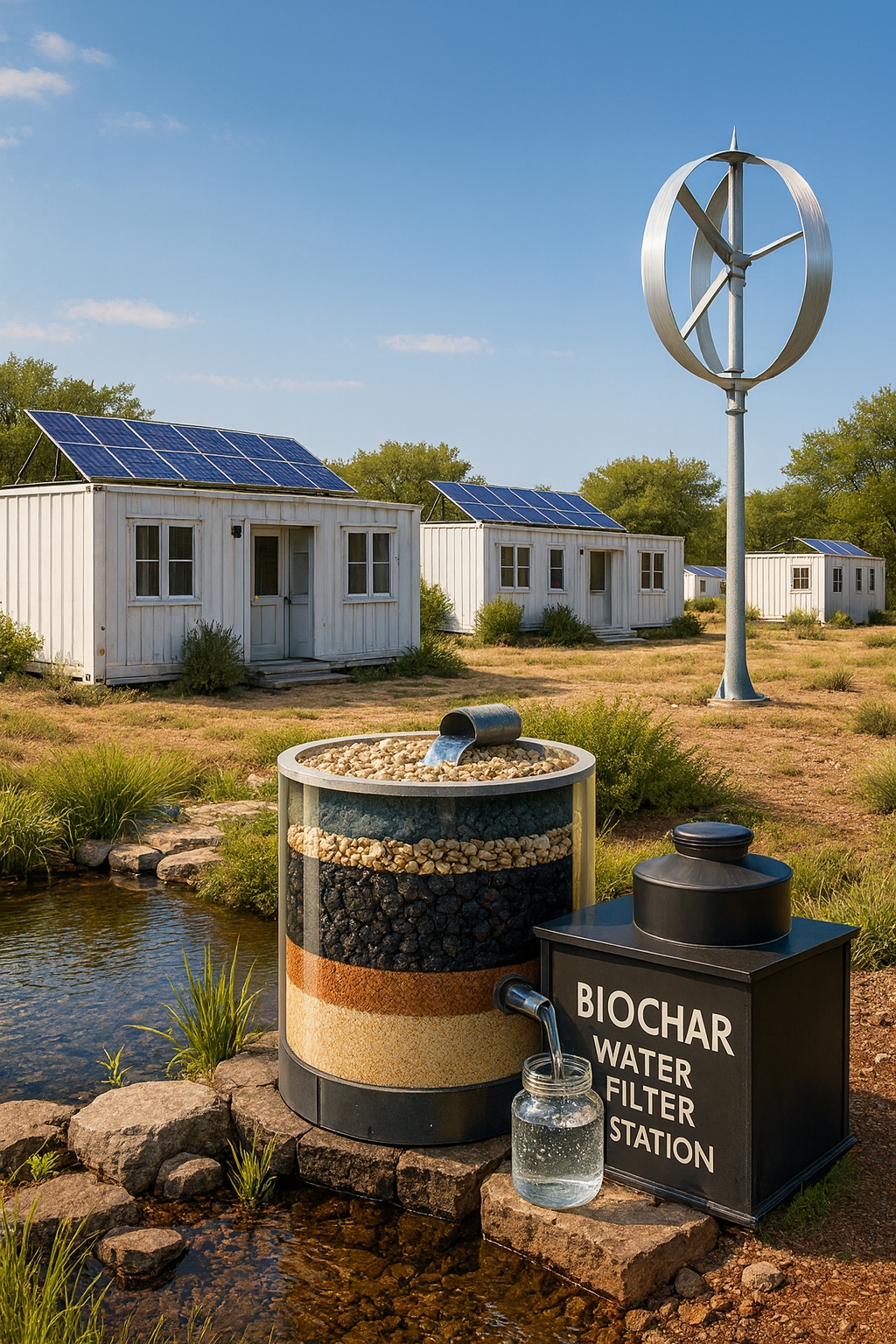
Solar Power Infrastructure
Distributed solar grids run the Knowledge City 24/7. Medical clinics, computer labs, and production lines do not shut down when the sun sets.
How We Build It
Phase 1: Stabilize
First, we stop the bleeding. People need a roof, clean water, and food today—not next year.
- Flex-Unit steel housing deployed in hours, not months
- Portable water filtration units: two per family, 50+ liters per day
- Emergency food supply through Mercy Without Limits
- Community registration and medical screening
Phase 2: Feed Safely
Open-fire cooking in crowded camps kills people. We replace it with professional-grade modular kitchens.
- Container-based kitchens with 20 individual cooking stations each
- Centralized propane storage kept 15 meters from heat sources
- Professional ventilation, fire suppression, and stainless-steel surfaces
- Built to French SI fire safety and HACCP hygiene standards
Phase 3: Power & Water Grids
Now we lay the backbone: water, power, and waste systems that last twenty years.
- 1,000 integrated water and shower stations at €20,000 each
- Greywater recycling and decentralized wastewater treatment
- Household solar (1.2kW per home) plus industrial-scale arrays
- Schools open immediately while we train local staff
Phase 4: Permanent Housing
Emergency shelters come down. Real homes go up. Nobody gets left behind during the switch.
- Flex-Unit permanent metal systems with insulation and utilities
- Roads, drainage, and common facilities
- Zero interruption of water or power during transition
Phase 5: Economic Engines
We stop giving. They start selling. This is the point where aid turns into a business model.
- Agricultural cooperatives with irrigation and processing
- Vocational training centers for trades and tech skills
- Micro-enterprise development with market linkages
- Export capability for surplus production
Phase 6: Hand Over the Keys
After 24 months, we leave. The community runs the water, the power, the schools, and the books.
- Full management training and system handover
- Local governance structures for ongoing operations
- Blueprint documentation so other regions can copy the model
- Monitoring framework to track sustainability metrics
Who We Work With
Mercy Without Limits runs day-to-day operations on the ground. INARA handles project management , Psycological support , No donor fragmentation. No approval delays. Just execution.